

10 Best Online Payment Systems for Small Businesses
Essentials • 2026 04 20 • 8 min read
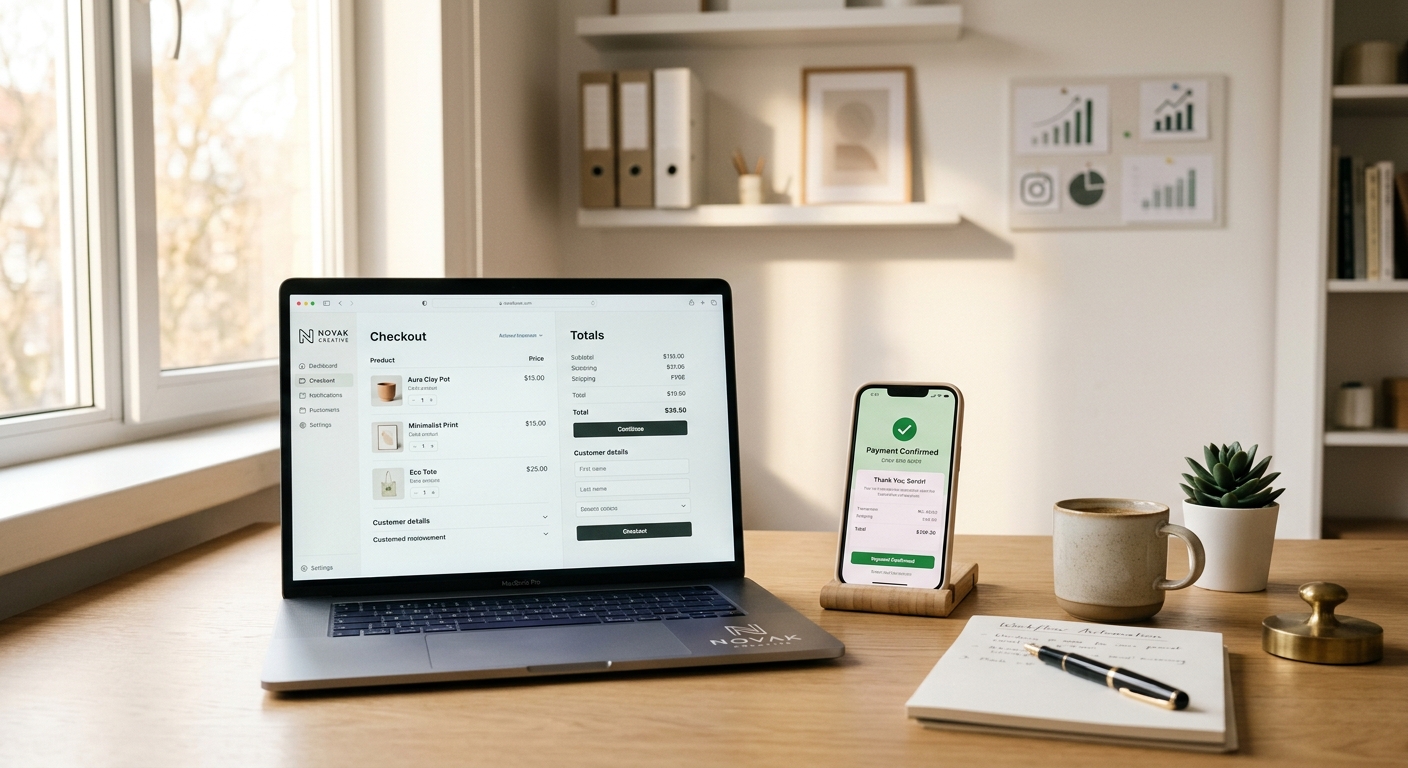
For small businesses, getting paid quickly is not just about cash flow, it is about customer trust, smoother operations, and a stronger digital identity. A reliable payment system can reduce friction at checkout, automate admin work, and help turn website visitors into paying customers.
With global digital payments continuing to rise and customers expecting fast, flexible checkout options, choosing the right platform matters more than ever. The best payment tools do more than process transactions, they support branding, recurring revenue, and the kind of seamless experience that helps businesses grow organically.
Why your payment system matters more than you think
Your payment system is part of your brand experience. Customers notice how easy it is to pay, whether the process feels secure, and whether the checkout flow matches the professionalism of your business.
For small businesses and creators, the right platform can help with:
- Faster payments and healthier cash flow
- More trust through recognizable checkout experiences
- Automated invoicing, receipts, and subscription billing
- Better conversion rates on websites, landing pages, and online stores
- Cleaner operations through integrations with no code tools and CRM systems
At Domain DESGNR, we see payment infrastructure as a core part of digital identity. It is not separate from branding, it is one of the systems that brings your brand to life.
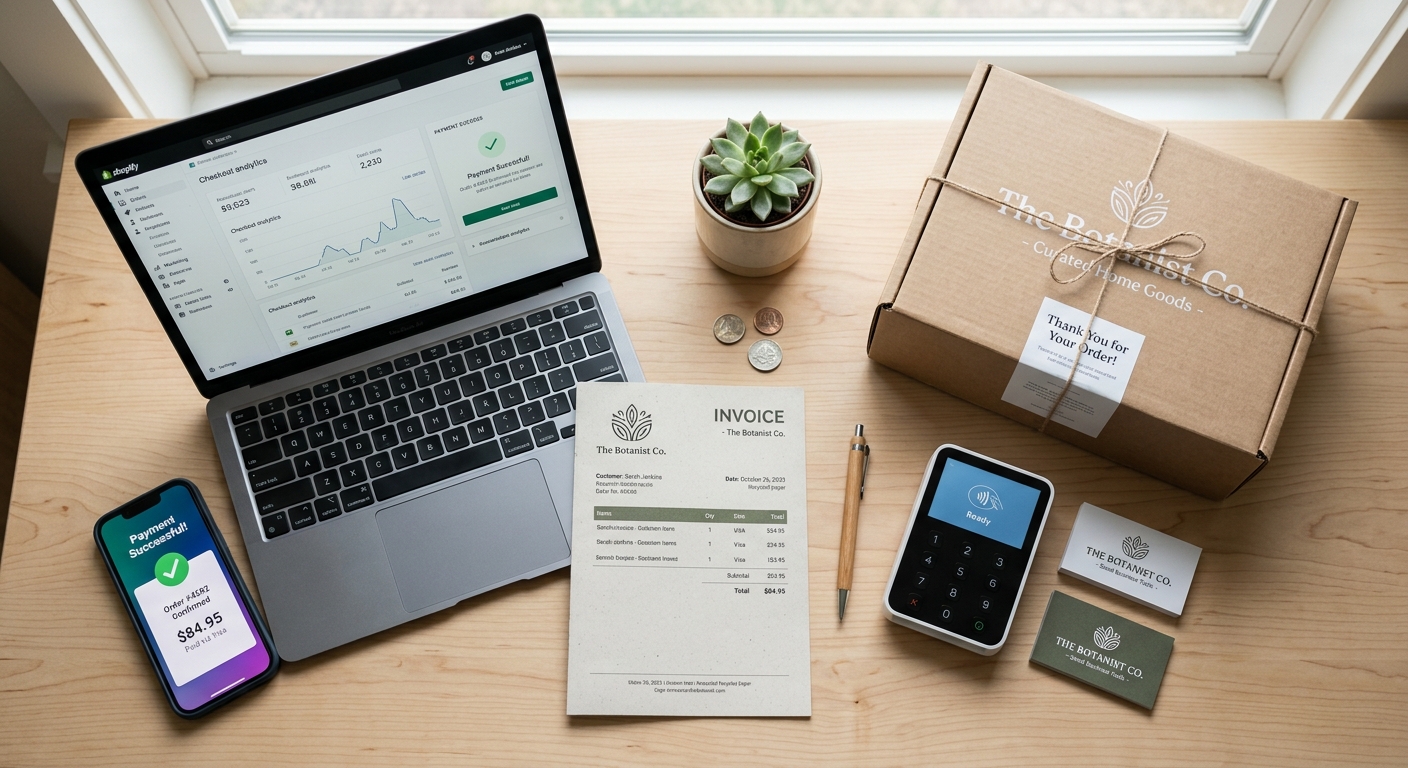
What to look for in an online payment system
Before comparing platforms, define what your business actually needs. A solo creator selling digital products will have different priorities than a service business sending invoices or a retailer managing subscriptions.
Core features to compare
- Transaction fees: Look at domestic, international, and manual invoice fees
- Ease of setup: Some systems work out of the box, others need more technical configuration
- Branding options: Can you customize checkout pages, invoices, and customer emails?
- Automation: Does it connect easily to Zapier, Make, Airtable, HubSpot, or your website builder?
- Payment methods: Cards, digital wallets, ACH, buy now pay later, and local methods
- Payout speed: Fast access to funds can matter for small teams
- Global reach: Important if you sell internationally
Suggested image caption: Comparing payment platform features on a simple decision matrix for a growing small business.

Quick comparison table
Here is a simplified view of how leading payment systems typically compare for small businesses.
| Platform | Best For | Typical Strength | Watch Out For |
|---|---|---|---|
| Stripe | Custom online businesses | Developer friendly, powerful automation | Can feel complex for beginners |
| PayPal | Fast trust and broad familiarity | Widely recognized by customers | Fee structure can add up |
| Square | Hybrid online and in person sales | Strong POS ecosystem | Not always ideal for complex online flows |
| Shopify Payments | Shopify stores | Native ecommerce integration | Best only within Shopify |
| Helcim | Transparent pricing seekers | Interchange plus pricing model | May not suit every micro business |
| Authorize.net | Established businesses | Reliable gateway reputation | Monthly fees can be a factor |
| QuickBooks Payments | Service businesses | Accounting workflow convenience | Less flexible branding than some rivals |
| Wise Business | Cross border payments | International transfers and currency handling | Not a full ecommerce checkout tool |
| Adyen | Scaling brands | Enterprise grade global payments | Can be too advanced for very small teams |
| GoCardless | Recurring bank payments | Strong for direct debit subscriptions | Less ideal for impulse purchases |
The 10 best online payment systems for small businesses
1. Stripe
Stripe is one of the most flexible options for online first businesses. It works especially well for custom websites, SaaS products, service businesses with automated workflows, and brands that want control over checkout design.
- Best for: Custom digital experiences and automation heavy businesses
- Standout feature: Deep integrations and no code workflow compatibility
- Good fit if: You want payments to connect with CRMs, forms, email, and onboarding systems
2. PayPal
PayPal remains a trusted option because customers know it instantly. That familiarity can reduce hesitation at checkout, especially for newer businesses still building trust.
- Best for: Fast deployment and recognizable trust signals
- Standout feature: Broad consumer adoption
- Good fit if: You want a quick way to accept payments without much setup
3. Square
Square is ideal for businesses that sell both online and in person. If you run a pop up shop, salon, café, or studio with ecommerce needs, Square offers an all in one approach.
- Best for: Retail and service businesses with offline sales
- Standout feature: Strong POS and hardware ecosystem
- Good fit if: You want one brand handling store, website, and payment hardware
4. Shopify Payments
If your store runs on Shopify, using Shopify Payments keeps your system streamlined. It simplifies checkout, reduces third party complexity, and supports a smoother branded shopping experience.
- Best for: Shopify based ecommerce brands
- Standout feature: Native integration inside Shopify
- Good fit if: Your primary sales channel is an online store built on Shopify
5. Helcim
Helcim is often praised for transparent pricing and solid tools for small businesses. It can be a smart choice for owners who want lower ambiguity around costs.
- Best for: Businesses that care about pricing clarity
- Standout feature: Transparent fee structure
- Good fit if: You process enough volume to benefit from more nuanced pricing
6. Authorize.net
Authorize.net has been around for years and remains a trusted payment gateway option. It is often used by businesses that want a stable, established system.
- Best for: Businesses wanting a traditional gateway setup
- Standout feature: Longevity and reliability
- Good fit if: You value a familiar payment infrastructure provider
7. QuickBooks Payments
For service businesses already using QuickBooks, this option can simplify invoicing and accounting. It is less about flashy checkout design and more about operational efficiency.
- Best for: Consultants, freelancers, and service providers
- Standout feature: Tight accounting integration
- Good fit if: You send invoices regularly and want fewer manual reconciliations
8. Wise Business
Wise Business is especially useful for international transactions, contractor payments, and businesses managing multiple currencies. It is not a full storefront payment engine, but it solves a major pain point for global operations.
- Best for: International payment flows
- Standout feature: Currency management and lower friction global transfers
- Good fit if: You work across borders or pay overseas collaborators
9. Adyen
Adyen is a powerful platform used by larger digital brands, but some growing businesses may consider it when planning for scale. It supports sophisticated global payment operations.
- Best for: Scaling brands with ambitious growth plans
- Standout feature: Enterprise grade payment capabilities
- Good fit if: You expect complex multi market expansion
10. GoCardless
GoCardless focuses on bank based recurring payments, which makes it valuable for memberships, retainers, subscription services, and other repeat billing models.
- Best for: Subscription and recurring payment businesses
- Standout feature: Direct debit automation
- Good fit if: Predictable monthly billing is central to your business model
Suggested image caption: A side by side view of payment dashboards showing subscriptions, invoices, and branded checkout flows.
How payment systems support organic growth
Organic growth is not only about SEO or content. It also depends on what happens after someone discovers your brand. If a customer lands on your website from search, social, or referrals, your payment experience can either keep momentum going or break trust.
A strong payment setup supports organic growth by:
- Reducing checkout abandonment
- Making your brand appear more polished and credible
- Creating smoother onboarding for service clients
- Enabling subscriptions and repeat purchases
- Connecting customer data to follow up automations
When paired with strategic messaging and clean digital infrastructure, payments become part of a larger conversion system, not just a transaction tool.
Best picks by business type
If you want a faster decision, start with the business model first.
| Business Type | Recommended Starting Point |
|---|---|
| Freelancers and consultants | QuickBooks Payments or Stripe |
| Creators selling digital products | Stripe or PayPal |
| Retail shops with online and offline sales | Square |
| Shopify ecommerce brands | Shopify Payments |
| Subscription businesses | Stripe or GoCardless |
| International service businesses | Wise Business plus Stripe or PayPal |
This kind of simple alignment prevents overbuilding. The best system is usually the one that fits your current workflow while leaving room to automate later.
Common mistakes small businesses make
Many businesses choose a payment platform based only on fees, then discover the system slows down their operations or creates a disconnected customer experience.
- Choosing the cheapest option instead of the best fit option
- Ignoring branding and checkout design
- Using too many tools with no automation between them
- Skipping subscription or invoice workflows that could save time
- Not planning for international customers or tax workflows
Your payment stack should match your business model, content strategy, and brand positioning. A misaligned setup can create friction that customers feel immediately.
A practical setup for modern small businesses
For many small businesses, a lean and effective setup looks like this:
- Website: A clean branded site or landing page
- Payments: Stripe, Square, or Shopify Payments depending on your model
- Automation: Zapier or Make for receipts, onboarding, CRM updates, and follow ups
- Content: SEO pages, email capture, and social content supporting discovery
- Branding: Consistent visual identity across site, checkout, and communications
This is where no code automation becomes powerful. Instead of manually sending invoices, reminders, and confirmation emails, your systems can do the heavy lifting while you stay focused on serving customers and growing visibility.
Key Takeaways
- The best payment system supports both transactions and brand trust.
- Stripe, PayPal, Square, and Shopify Payments remain top choices for most small businesses.
- Your business model should guide your payment platform choice, not just transaction fees.
- Automation and branded checkout experiences can improve both operations and conversions.
- A strong payment setup is part of digital infrastructure, which directly supports organic growth.
Quick Stats
| Label | Value |
|---|---|
| Customers who expect a fast digital checkout experience | High and rising across ecommerce and service sectors |
| Small business advantage from automated payment workflows | Less admin time, faster follow up, improved cash flow |
| Best predictor of payment platform success | Fit with business model, branding, and automation stack |
Conclusion
Choosing the right online payment system is really about choosing how your business shows up online. The best platform helps customers trust you faster, makes operations easier to manage, and creates a smoother path from discovery to purchase. For small businesses and creators, that means payments should be treated as a strategic part of your digital identity, not an afterthought.
At Domain DESGNR, we help businesses connect branding, websites, payment tools, and no code automation into one clear system built for organic growth. If your current setup feels fragmented or manual, we can help turn it into infrastructure that works smarter and grows with your brand.
Tags: paymentsbrandingdigital identityautomation
