

10 Best Online Payment Systems for Small Businesses
Essentials • 2026 05 04 • 8 min read

Online payments are now a core part of doing business, not an optional add on. With global digital payment use continuing to rise and customers expecting fast, secure checkout experiences, the payment system you choose can directly affect trust, conversions, and repeat sales.
For small businesses and creators, the best platform is not just about processing cards. It is about brand consistency, automation, simple setup, and the ability to connect payments to your website, content, and customer journey without adding more manual work.
Why payment systems matter for brand growth
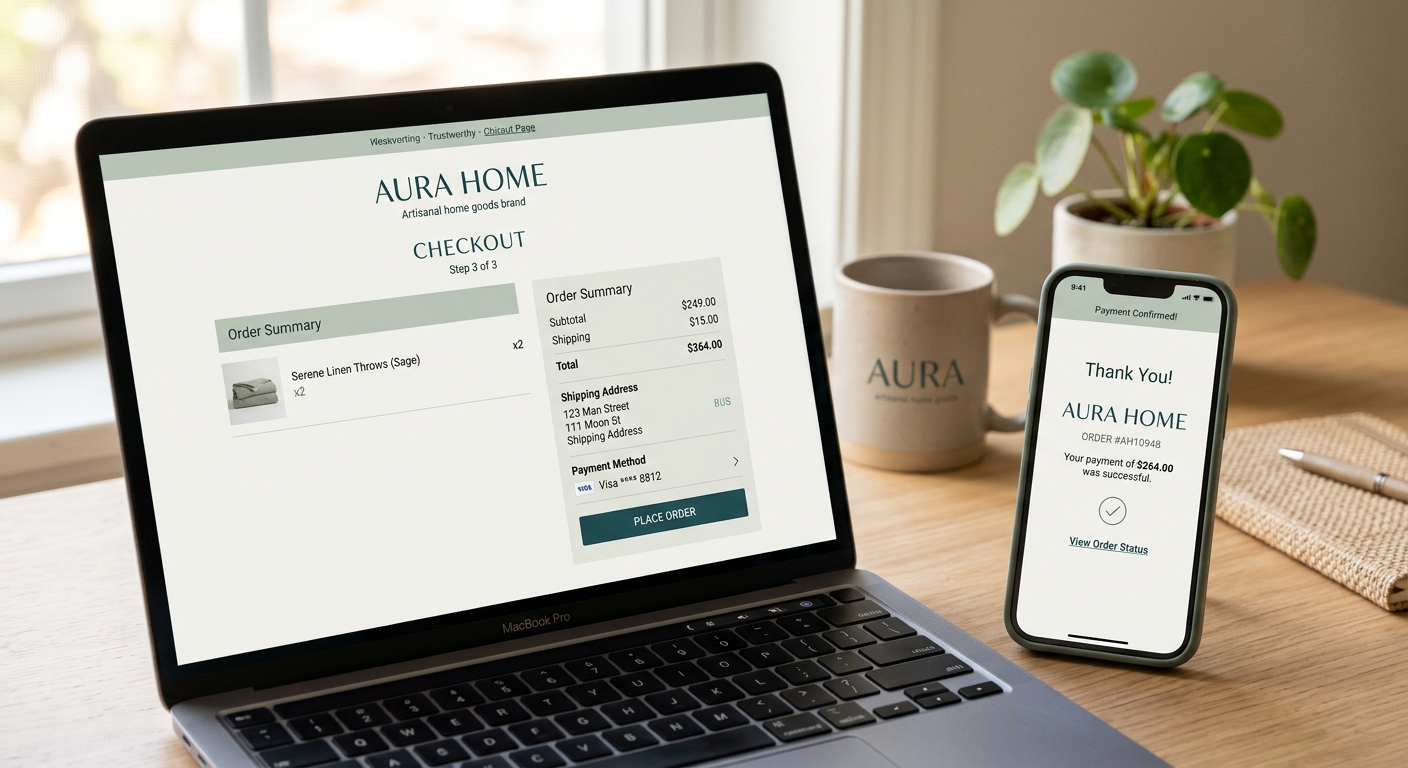
Your payment system sits at the most important point in the customer journey, the moment someone decides to trust your business with their money. A clunky checkout, unclear interface, or limited payment options can create friction and reduce conversions.
The right setup helps small businesses:
- Accept payments quickly across web, mobile, and invoices
- Build trust with secure, recognizable checkout experiences
- Automate confirmations, receipts, and follow up actions
- Match the payment flow to the overall look and feel of the brand
- Reduce admin time by connecting payments to no code workflows
When your payment system works smoothly, it supports both revenue and reputation.
What small businesses should evaluate before choosing
Before comparing tools, define what your business actually needs. A local service brand, a digital creator, and an ecommerce shop may all need very different payment experiences.
Key criteria
- Ease of setup: Can you launch without a developer?
- Transaction fees: Are the rates sustainable as volume grows?
- Branding: Can the checkout experience feel consistent with your visual identity?
- Automation: Does it connect to Zapier, Make, Airtable, Notion, or your CRM?
- Payment options: Cards, wallets, bank transfers, subscriptions, buy now pay later
- Global reach: Can you accept payments from the regions you serve?
For most small businesses, the winning option is the one that balances trust, flexibility, and low operational complexity.
Quick comparison table
| Platform | Best For | Typical Strength |
|---|---|---|
| Stripe | Custom websites, SaaS, automation | Flexible integrations and scalable APIs |
| PayPal | Fast setup and familiar checkout | Strong consumer recognition |
| Square | Retail and service businesses | Online and in person payments |
| Shopify Payments | Ecommerce brands | Native checkout inside Shopify |
| Helcim | Growing businesses watching fees | Transparent pricing approach |
| Authorize.net | Established businesses | Longstanding payment gateway option |
| Wise Business | International invoices and transfers | Multi currency support |
| QuickBooks Payments | Service businesses and accounting workflows | Strong invoice integration |
| Paddle | Digital products and software | Merchant of record features |
| Lemon Squeezy | Creators and digital sellers | Simple digital product selling |
1. Stripe, best for flexibility and automation
Stripe is often the strongest choice for businesses that want a polished, scalable payment setup. It supports one time payments, subscriptions, payment links, invoicing, and custom checkout flows.
It also integrates well with no code tools, making it ideal for businesses building automated systems around sales, onboarding, and fulfillment.
- Great for custom websites and digital products
- Excellent support for subscriptions and recurring revenue
- Strong automation potential with Zapier, Make, Webflow, and Airtable
Best fit: brands that want long term flexibility and a more advanced digital infrastructure.
Image caption: Stripe style analytics dashboard connected to automated customer workflows.
2. PayPal, best for familiarity and quick trust
PayPal remains one of the most recognizable payment brands online. For many small businesses, that familiarity can increase confidence at checkout, especially for first time buyers.
It is easy to set up and works well for payment buttons, invoices, and simple ecommerce use cases. The tradeoff is that the checkout experience may feel less brand controlled than more customizable systems.
- Fast setup for small teams
- Trusted by a wide range of customers
- Useful for invoices and quick payment collection
Best fit: businesses that want simple adoption and broad customer recognition.
3. Square, best for businesses that sell online and in person
Square is a strong option for local businesses, retail shops, cafés, and service providers who need one system for both online and physical transactions.
Its ecosystem covers point of sale, invoicing, appointments, and ecommerce tools, which can simplify operations for businesses with multiple sales channels.
- Strong omnichannel payments
- Easy for service businesses and retailers
- Helpful hardware and point of sale options
Best fit: brands that need digital payments plus in person selling.
4. Shopify Payments, best for ecommerce simplicity
If your business runs on Shopify, Shopify Payments is often the easiest route. It reduces third party complexity and keeps checkout tightly integrated with your store, products, discounts, and reporting.
For product based brands, this can lead to a smoother backend and fewer integration headaches.
- Native Shopify integration
- Unified ecommerce reporting
- Smooth checkout for product sales
Best fit: small ecommerce brands focused on conversion and operational simplicity.
5. Helcim, best for transparent pricing
Helcim is often considered by businesses that want clearer pricing and are becoming more fee conscious as volume increases. While it may not be as broadly discussed as larger platforms, it appeals to businesses looking for a straightforward approach.
- Transparent pricing model
- Useful for growing businesses monitoring margins
- Good option for businesses comparing processing costs closely
Best fit: small businesses that want more clarity around fees as they scale.
6. Authorize.net, best for established payment gateway needs
Authorize.net has been in the payments space for a long time and is often used by businesses that need a traditional gateway setup. It can be a fit for established operations that already have merchant account preferences or specific integration requirements.
- Longstanding gateway reputation
- Useful for businesses with existing payment structures
- Can support customized processing setups
Best fit: businesses with more traditional infrastructure needs.
7. Wise Business, best for international payments and transfers
Wise Business is especially useful for companies working across borders, sending invoices internationally, or receiving payments in multiple currencies. While it is not a full ecommerce checkout platform in the same way as Stripe or Shopify Payments, it is valuable for service businesses and global freelancers.
- Strong multi currency capabilities
- Helpful for international clients and transfers
- Useful for invoice based businesses
Best fit: service providers, consultants, and global remote businesses.
8. QuickBooks Payments, best for invoice first businesses
For businesses that already run accounting through QuickBooks, using QuickBooks Payments can reduce manual admin. It keeps invoicing and payment collection closer together, which helps with cash flow visibility.
- Built for accounting connected workflows
- Useful for consultants, agencies, and service businesses
- Can reduce manual reconciliation steps
Best fit: businesses where invoicing is the primary sales process.
9. Paddle, best for software and digital compliance handling
Paddle is often chosen by software companies and digital businesses because it handles more than processing. Its merchant of record model can simplify tax and compliance tasks in certain situations, which is especially helpful for online software sales.
- Designed for SaaS and digital product companies
- Helpful for global tax and compliance considerations
- Strong fit for subscription businesses
Best fit: SaaS founders and digital first companies selling globally.
10. Lemon Squeezy, best for creators selling digital products
Lemon Squeezy has become popular with creators, indie founders, and digital product sellers who want a lightweight way to sell downloads, software, and memberships. It is simple, creator friendly, and aligned with modern digital business models.
- Easy setup for digital products
- Useful for creators and solo businesses
- Built around simple online selling workflows
Best fit: creators who want to launch quickly without heavy infrastructure.
How payment systems support automation
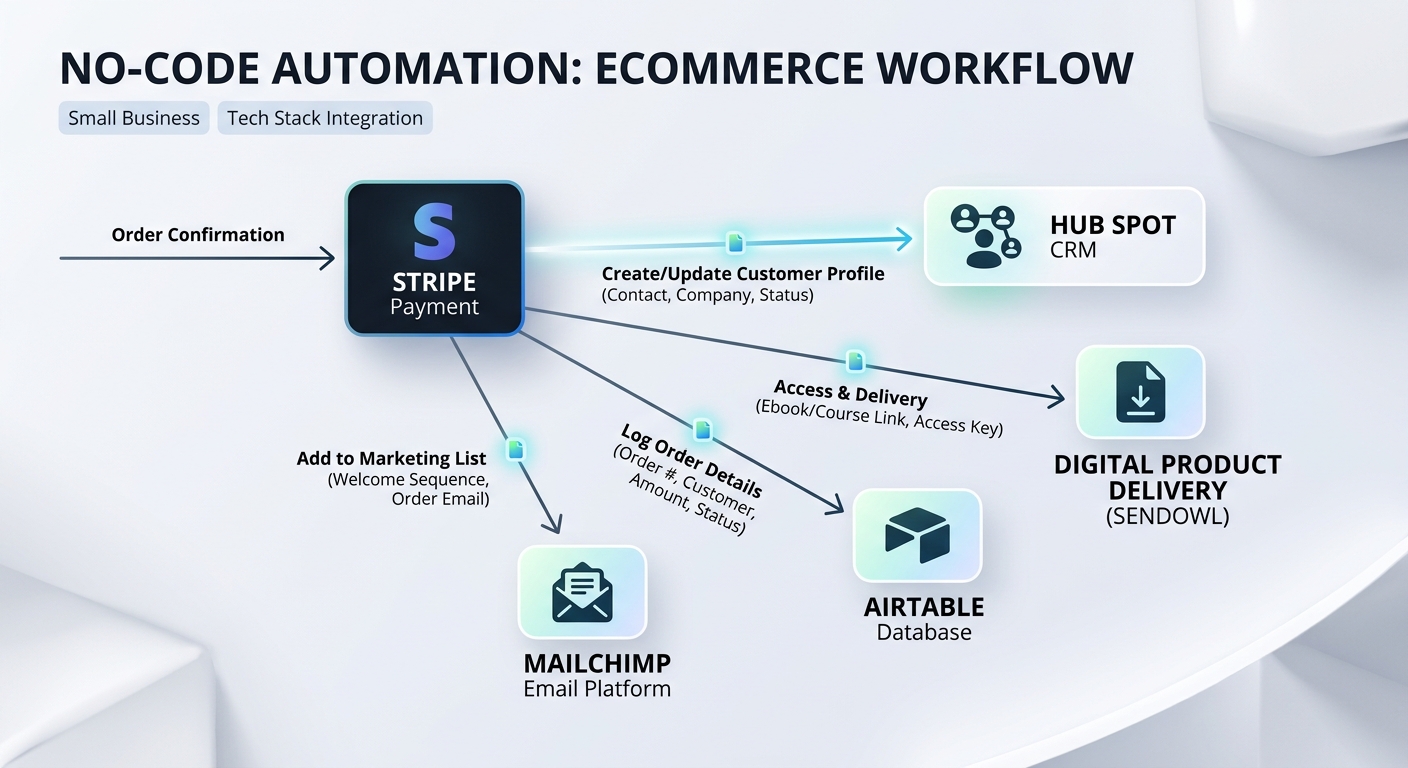
The best payment system does more than collect money. It can trigger a full chain of automated actions that save time and improve the customer experience.
Examples of useful automations
- Send branded receipts and welcome emails after purchase
- Create customer records in Airtable or a CRM
- Deliver digital products automatically
- Trigger onboarding forms and appointment scheduling
- Update dashboards for revenue tracking
This is where digital infrastructure becomes a growth advantage. When payments connect cleanly to your website, content, and workflows, your business becomes easier to run and easier to scale.
Image caption: No code automation flow connecting checkout, CRM, email, and content delivery.
A simple selection framework for small businesses
If you are deciding quickly, use this simplified approach:
- Choose Stripe if you want flexibility, branding options, and powerful automation
- Choose PayPal if you want instant familiarity and simple setup
- Choose Square if you sell online and in person
- Choose Shopify Payments if your store runs on Shopify
- Choose QuickBooks Payments if invoices and bookkeeping drive your workflow
- Choose Lemon Squeezy or Paddle if you sell digital products, software, or memberships
The goal is not picking the most popular tool. It is choosing the one that strengthens your customer journey and reduces friction inside your business.
Key Takeaways
- The right payment system affects trust, conversions, and brand perception.
- Small businesses should compare fees, branding control, integrations, and automation options.
- Stripe stands out for flexibility, while PayPal is strong for familiarity and quick setup.
- Square and Shopify Payments are excellent for channel specific selling models.
- A smart payment setup should connect to your broader digital infrastructure, not operate in isolation.
Quick Stats
| Label | Value |
|---|---|
| Customers who expect fast digital checkout experiences | Majority across ecommerce and service based industries |
| Top priority for small businesses adopting payment tools | Ease of use, trust, and integration |
| Best long term value driver | Automation connected to payments and customer workflows |
Conclusion
Choosing an online payment system is really about choosing how your business gets paid, how your brand is experienced, and how much manual work your team keeps carrying. The best setup is the one that feels simple for customers and sustainable for you. At Domain DESGNR, we help small businesses and creators build that kind of system, combining brand identity, organic growth, AI tools, and no code automation into a digital infrastructure that makes selling online feel clear, professional, and scalable.
Tags: paymentsbrandingdigital identityautomation
